
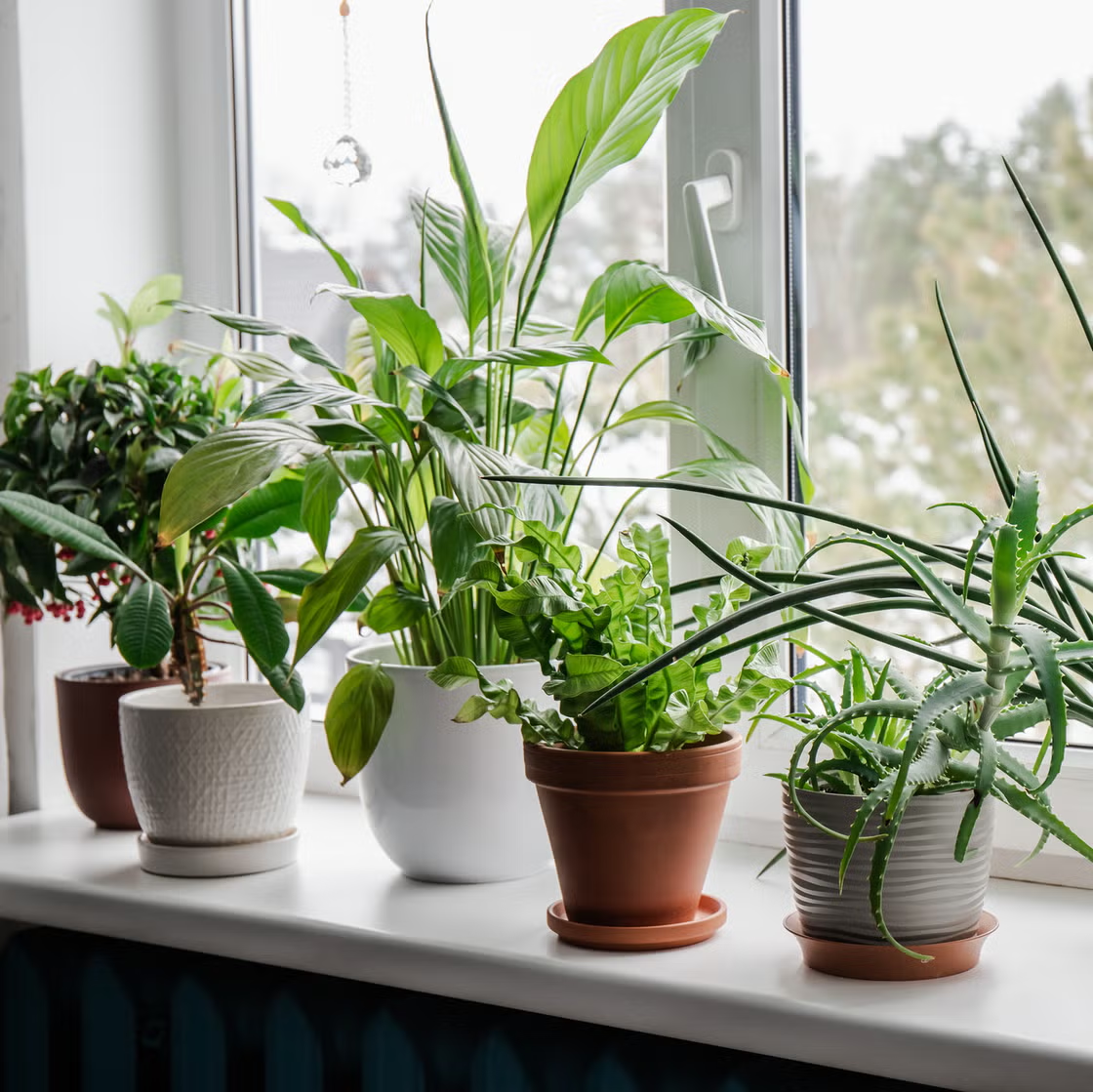
Using indoor plants for home decor is one of the easiest ways to breathe life, color, and texture into a room. However, successful plant styling requires matching the right plant to the light levels of your room, rather than just choosing what looks good on a store shelf.
The premier indoor plants for home decor are detailed below, categorized by their structural style and care needs.
1. The Bold Statement Makers (Floor Plants)
If you have an empty corner or want to anchor a room next to a sofa, large architectural floor plants act as living sculptures.
- Monstera Deliciosa (Swiss Cheese Plant): Famous for its massive, glossy leaves with natural splits (called fenestrations). It instantly brings an organic, tropical mid-century modern aesthetic to a living space.
- Styling Tip: Give it plenty of room to spread out. It thrives in bright, indirect light and looks best housed in a minimalist ceramic or woven basket pot.
- Ficus Lyrata (Fiddle Leaf Fig): A darling of high-end interior design, known for its tall, dramatic wooden stems and massive, violin-shaped upright leaves.
- Styling Tip: This plant can be incredibly finicky. It requires consistent, bright filtered light and absolutely hates drafts or being moved around once it adapts to a spot.
2. Low-Maintenance Icons (Practically Indestructible)
For darker rooms, busy schedules, or beginner plant parents, these options offer maximum visual reward with minimal upkeep.
- Sansevieria (Snake Plant): Features stiff, upright, sword-like leaves with striking variegated margins. Its vertical growth pattern makes it excellent for tight spaces or narrow entryways where sprawling plants won’t fit.
- Styling Tip: It is perfect for bedrooms because it handles low light beautifully and only needs water roughly once a month. Use an elevated plant stand to give it extra prominence.
- Zamioculcas Zamiifolia (ZZ Plant): Known for its thick, upright stems coated in highly glossy, waxy, deep-green leaves that look so perfect they are often mistaken for plastic.
- Styling Tip: The ZZ plant thrives on total neglect and handles dark, windowless hallway corners or office spaces better than almost any other living plant.
3. Graceful Trailers (Shelves and Hanging Pots)
To soften hard vertical lines, break up sterile bookcases, or decorate mantelpieces, cascading trailing vines add a beautiful layer of softness.
- Epipremnum Aureum (Golden Pothos): A fast-growing heart-leafed vine that drapes down elegantly from high surfaces or climbs up moss poles.
- Styling Tip: Place it on top of a bookshelf, kitchen cabinet, or a hanging macramé planter. If the vines get too long or look sparse, a quick trim encourages fuller growth near the base.
- Philodendron Cordatum (Heartleaf Philodendron): Very similar in growth habit to the Pothos, but features trailing vines of perfectly uniform, delicate, matte-green hearts.
Pro-Level Plant Styling Rules
- The Rule of Three (Grouping): When decorating tabletop or shelf surfaces, group plants in odd numbers—ideally clusters of three. For the best visual flow, choose three plants of varying heights and leaf textures (for example, pair a tall, sharp Snake Plant with a medium, bushy Calathea and a small, trailing Pothos).
- Contrast Your Pots: Do not buy matching pots for every plant in a single room; it ends up looking sterile. Instead, stick to a unified color palette (like earthy terracotta, textured white glaze, and matte charcoal) but mix up the shapes, heights, and materials to make the collection look curated over time.