
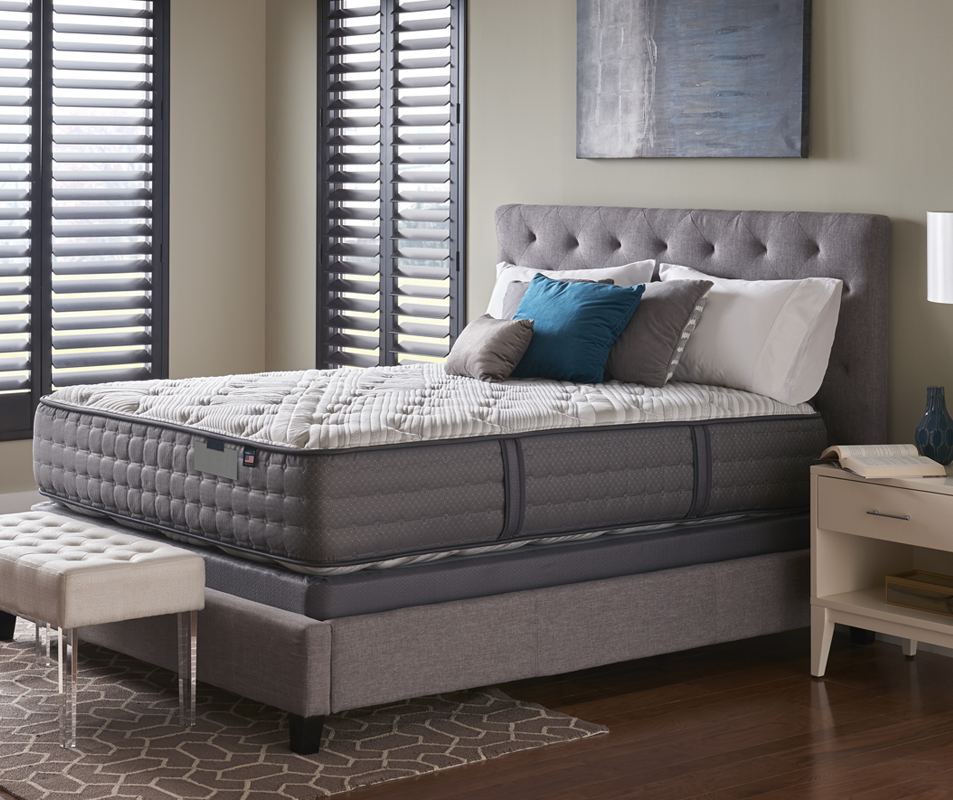
Side sleepers face a unique physical challenge: when you sleep on your side, your entire body weight is concentrated directly onto your shoulders and hips. If a mattress is too firm, it jams these joints, leading to morning aches and tingling arms; if it is too soft, your spine bows downward, causing severe lower back pain.
The ideal mattress for side sleepers must offer deep contouring pressure relief for the shoulders while keeping the hips floating in alignment with the spine.
The top mattresses on the market are detailed below, broken down by construction type and sleep feel.
1. Top-Tier Hybrid Mattresses (Best Balance & Airflow)
Hybrid mattresses combine pocketed steel coils on the bottom with thick layers of foam or latex on top. They are highly recommended for side sleepers because the coils keep your spine aligned while the foam cradles your shoulders.
- Helix Midnight Luxe: Specifically engineered from the ground up for side sleepers who prefer a classic, medium-firm feel. It features a targeted zoned lumbar support system that is softer directly under your shoulders (so you can sink in) but firmer beneath your hips to prevent sagging.
- The Sleep Advantage: It includes a premium quilted pillow-top layer that instantly relieves pressure on the collarbone and hip bones, while the internal coil system provides excellent edge support.
- WinkBed (Luxury Firm or Soft): A premium hotel-style hybrid that uses an intensive dual-coil construction method. For dedicated side sleepers under 130 lbs, the “Soft” model is exceptional; for average-weight sleepers, the “Luxury Firm” strikes the perfect balance.
- The Sleep Advantage: It features a Tencel plant-fiber cover that pulls heat away from your body, making it a great option if you tend to sleep hot.
2. All-Foam Models (Ultimate Pressure Relief)
All-foam mattresses are famous for providing a deep, body-hugging sensation. They absorb motion completely, making them perfect if you share a bed with a restless partner.
- Nectar Premier Copper: An exceptional value option that uses a thick, high-density memory foam layout. It allows a side sleeper’s shoulders to sink deeply into the bed, distributing body weight evenly across the surface.
- The Sleep Advantage: Traditional memory foam can trap heat, but this model weaves real copper fibers directly into the cover and introduces phase-change material to actively cool the bed down throughout the night.
- Tempur-Pedic TEMPUR-ProAdapt (Soft or Medium): The gold standard of luxury memory foam. It utilizes proprietary space-grade materials that respond to your body temperature and weight to form a highly customized mold around your pressure points.
- The Sleep Advantage: It offers unparalleled pressure relief for individuals suffering from chronic shoulder bursitis or hip pain caused by side sleeping.
3. Organic & Natural Latex (Resilient & Durable)
Natural latex offers a completely different feel than memory foam. Instead of sinking into the bed, latex gives a buoyant, lifting sensation while still conforming to your shape.
- Avocado Green Mattress (With Pillow-Top): Made using 100% GOLS-certified organic latex, organic wool, and pocketed support coils. Side sleepers must opt for the upgraded pillow-top version to get the necessary cushioning for their shoulders.
- The Sleep Advantage: Latex is naturally hypoallergenic, antimicrobial, and incredibly breathable. It is also the most durable mattress material available, lasting years longer than standard synthetic foams without developing permanent body dips.
The Side Sleeper Buying Checklist
- Look for the 5-to-7 Firmness Range: Mattresses are rated on a standard firmness scale from 1 (softest) to 10 (firmest). Side sleepers should generally target the 5 to 7 range (Medium-Soft to Medium-Firm). Anything above an 8 will cause your arms to fall asleep; anything below a 4 will throw your spine out of alignment.
- The Pillow Factor: When you transition to a proper side-sleeper mattress, your shoulder will sink in a few inches. Make sure to pair your new bed with a medium-to-high loft pillow (ideally 4 to 6 inches thick) to fill the gap between your neck and the mattress, keeping your cervical spine completely straight.