
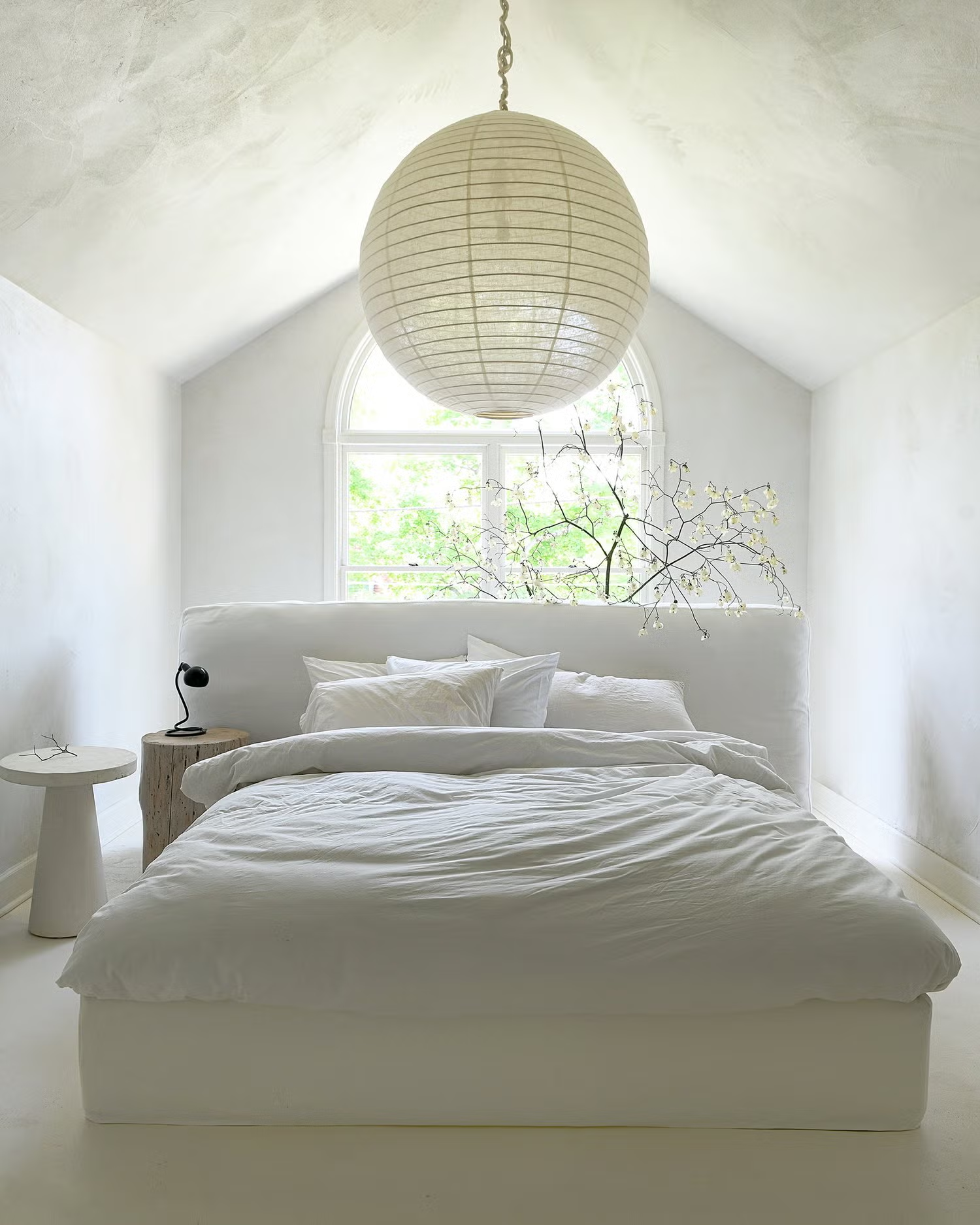
Modern sleep science and interior design have shifted toward a unified goal: creating a “sleep-first” sanctuary. The focus is moving away from stark, sterile minimalism and rigid, screen-filled spaces toward rooms that feel warm, physically grounding, and deeply restorative.
These 15 practical and comforting bedroom ideas are designed to reduce sensory overload, support your body’s natural circadian rhythm, and help you get better sleep.
1. Ground the Space with Earthy Tone “Color Drenching”
Cool, clinical grays and stark whites can make a bedroom feel cold and uninviting. Instead, embrace cozy earth tones like terracotta, warm clay, muted sage, or tobacco brown. For a deeply cocooning effect, try color drenching—painting the walls, baseboards, and even the ceiling in the same soothing, low-contrast hue to eliminate harsh visual boundaries.
2. Introduce “Circadian-Aware” Smart Bulbs
Exposure to bright blue-white light in the evening suppresses melatonin production and delays your sleep signals. Swap out basic overhead bulbs for tunable smart lights that automatically shift color temperature throughout the day. Set them to transition to a warm, amber glow (2700K or lower) once the sun goes down to tell your brain it is time to wind down.
3. Layer High-Loft, Breathable Linens
True comfort is felt, not just seen. Avoid heavy synthetic sheets or thick polyester quilts that trap body heat and cause nighttime waking. Instead, layer high-quality, breathable natural fibers. Combining heavyweight, slightly lived-in flax linen with a soft cotton duvet and a organic wool throw creates an incredibly plush bed that naturally regulates temperature.
4. Keep Surfaces Clear with Floating Nightstands
Visual clutter leads to mental clutter, which triggers bedtime anxiety. Keep the immediate area around your bed peaceful by swapping bulky drawers for minimalist floating nightstands. Keeping just one or two essentials on the surface—like a book and a glass of water—keeps your sightlines clean when you are dropping off to sleep.
5. Frame the Bed with a Padded Upholstered Headboard
A hard wood or metal headboard provides zero acoustic or physical comfort. A thick, upholstered headboard wrapped in a highly tactile fabric like bouclé, velvet, or heavy linen adds instant luxury. Not only does it give you a soft, supportive surface to lean against during evening reading, but it also helps absorb echoes in the room.
6. Build a Low-Level Indirect Lighting Scheme
Harsh overhead lighting right before bed shocks the nervous system. Establish a rule to turn off all ceiling fixtures an hour before sleep. Rely instead on low-level indirect lighting: small bedside lamps with opaque shades, low-wattage wall sconces, or linear warm LED strips tucked safely beneath a floating bed frame to cast a soft glow across the floor.
7. Install Heavyweight Blackout Drapery
Even minor ambient light from streetlamps or passing cars can disrupt deep REM sleep cycles. Hang thick, floor-to-ceiling blackout curtains. For the ultimate cozy look, mount the curtain track flush against the ceiling and wider than the window frame; this prevents light leaks along the edges and gives the room a quiet, insulated feel.
8. Choose a Lower-Profile Platform Bed
Low-profile platform beds anchor the bedroom by shifting the visual weight downward, which instantly makes ceilings feel taller and the overall layout airier. Lounging closer to the ground creates a grounded, relaxed aesthetic that feels inherently less formal and more inviting.
9. Set Up a Dedicated “Digital Valet” Charging Station
The temptation to scroll through social media or check work notifications while half-asleep is a primary enemy of deep rest. Establish a strict tech-free zone by moving your phone charging cords completely out of arm’s reach. Set up a charging station across the room or inside a closet drawer, and use a simple sunrise alarm clock on your nightstand instead.
10. Anchor the Floor with a Deep-Pile Natural Fiber Rug
Stepping out of bed onto a freezing, hard floor instantly shocks your body awake. Place a large, high-pile plush rug made of natural wool or cotton directly under the lower two-thirds of the bed. Ensuring your bare feet land on a warm, soft texture first thing in the morning sets a gentle, relaxed tone for the whole day.
11. Utilize Tall Houseplants as Natural Room Dividers
With more people using bedrooms for reading, stretching, or light working, maintaining clear boundaries is essential. If you have a multi-functional space, use tall, air-purifying houseplants (like a potted Kentia Palm or a Snake Plant) as living, green partitions. They visually screen your sleeping space from the rest of the room while bringing in calming, biophilic textures.
12. Soften Hard Lines with Organic Curves
Sharp, angular furniture can make a room feel rigid and intense. Introduce rounded, fluid shapes to soften the overall environment. Look for a circular accent mirror, a curved barrel chair for an empty corner, or a nightstand with a soft, rounded facade to help ease the visual flow of the room.
13. Create an At-Home “Sensory Refuge” Corner
If space permits, set up a small dedicated corner meant purely for quiet decompression. A single comfortable armchair paired with a small travertine side table and a warm reading light creates a perfect transitional space. Spending 15 minutes unwinding or journaling here allows you to process the day before your head ever hits the pillow.
14. Keep the Air Clean and Moving
Stale, stagnant air traps humidity and increases carbon dioxide levels, which can fragment your sleep. Keep a small, whisper-quiet HEPA air purifier running on a low night mode setting. The continuous clean air exchange keeps your lungs comfortable, while the gentle, steady purr provides a calming white noise effect that masks sudden outside sounds.
15. Welcome Imperfection with Textural Plaster or Limewash
Perfect, glossy, uniform walls can feel sterile. Give your bedroom an artisanal, lived-in quality by opting for a textured plaster or a soft limewash wall finish. These finishes capture shadows beautifully as the ambient evening light shifts, adding an organic, time-worn character that makes the entire room feel intensely safe and quiet.